“Money makes the world go around
The world go around, the world go around
Money makes the world go around
The clinking, clanking sound of
Money, money, money, money” - Cabaret
Liza Minnelli and Joel Grey sang their hearts out in “Cabaret” to remind us of the power of capital, and in the sixty years since the song “Money, Money” was first written, nothing has changed. Money remains the driving force in society, and if we wish to see more brilliant works of art survive the test of time, like “Cabaret,” the arts require funding.
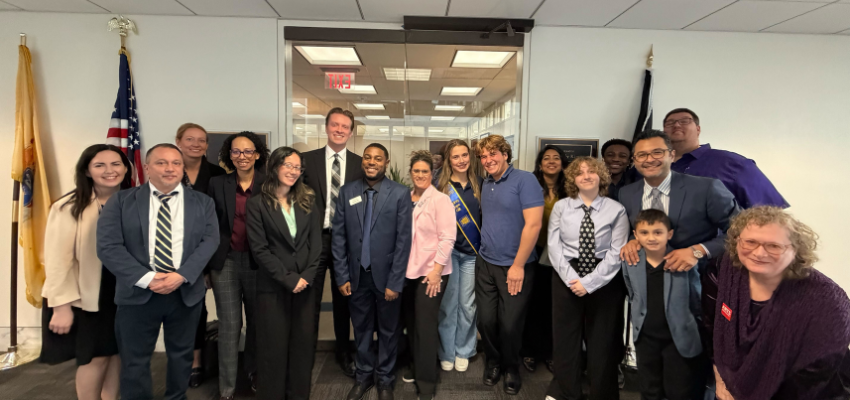
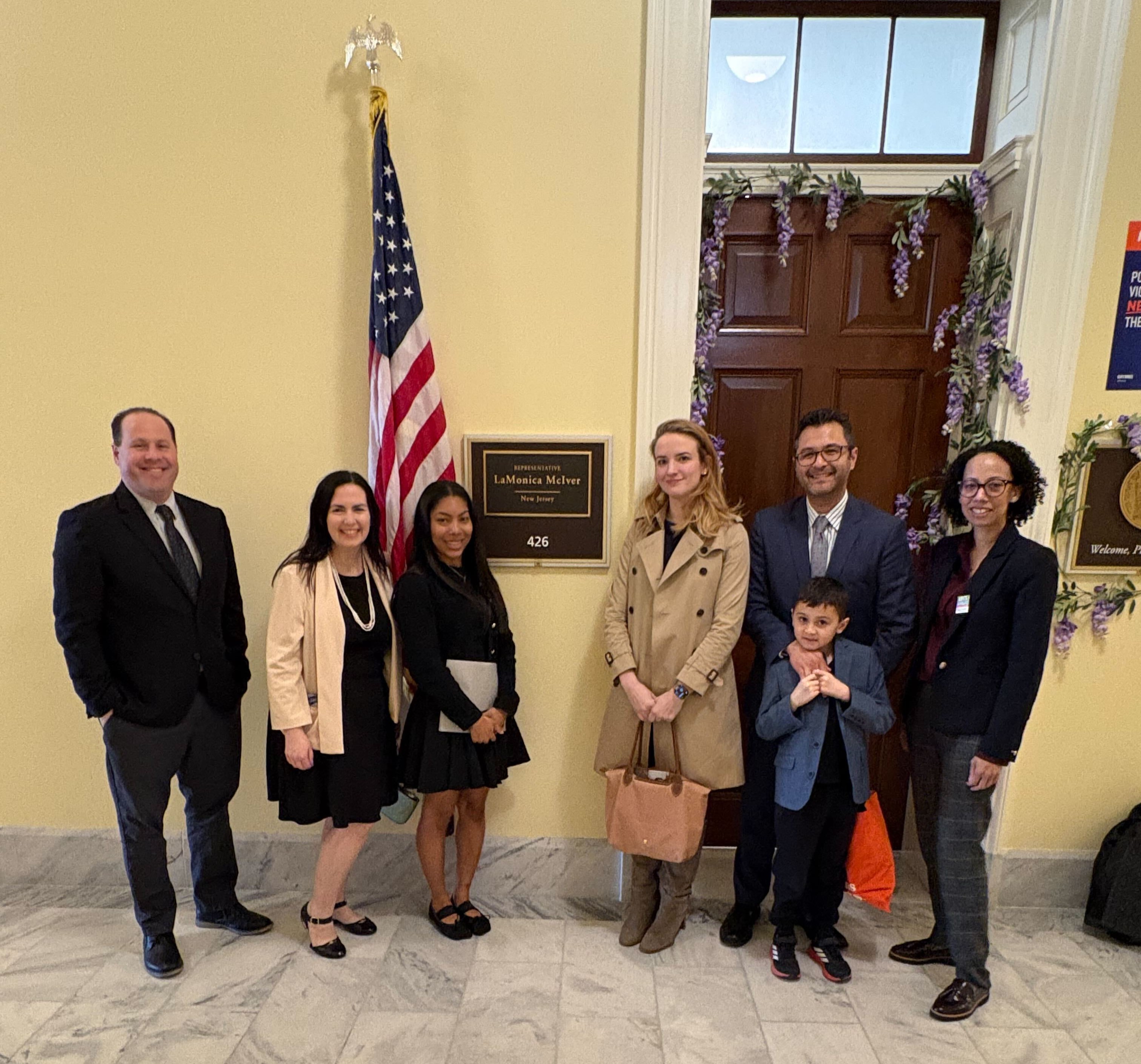
The team at ArtPride New Jersey and advocates across the state made the trip from New Jersey to Washington, D.C. on March 25, 2026, to speak to our federal government representatives about the importance of supporting the Arts and Humanities. Armed with data that highlights the ways in which the Arts and Humanities enrich communities statewide, advocates requested the support of the bills H.R.721 - Performing Artist Tax Parity Act of 2025 (PATPA) and H.R. 4840 - Creative Relief and Expensing for Artistic Entertainment Act (CREATE), assistance for arts education, and funding allocations from the National Endowment for the Humanities (NEH) and the National Endowment for the Arts (NEA).
 The economic impact of nonprofit arts organizations is not common knowledge, and for that reason, advocacy remains a pivotal aspect of the field. How else would our representatives, let alone the public, understand that the economic impact within the state has totaled $692,071,220, or that 12,869 jobs have been supported by nonprofit arts organizations in FY [Fiscal Year] 2024? This data barely scratches the surface of the public value provided by the nonprofit arts sector.
I recently had the pleasure of speaking with some of the advocates who traveled to Capitol Hill with a mission to educate our representatives. Cheryl Brass, Creator & Program Coordinator of the East Brunswick Symphony Orchestra, made the trip for the second year in a row and has maintained her enthusiasm for the work, if not expounded upon it.
Brass explains that “it’s an honor to advocate for the arts alongside colleagues from across New Jersey and to share the impactful work happening in our communities. This year, a particularly memorable moment was gathering in Senator Kim’s conference room, where each of us introduced ourselves and our organizations. What stood out was how naturally we built on one another’s stories, collectively painting a picture of the arts’ reach and impact across the state. It felt almost rehearsed, but it was simply a reflection of our shared commitment and passion. We closed with a round of applause, recognizing that even within that one room, New Jersey was represented by an extraordinary group of people dedicated to this work.”
When asked what she would like to see happen before next year's Arts Advocacy Day, she says, “I would love to see more elected officials and their staff attend arts programs in their communities, experiencing firsthand the value and impact of the arts. There is no substitute for being in the room and attending a performance, engaging with artists, and witnessing how the arts bring people together.
“On a national level, I hope to see funding for the National Endowment for the Arts exceed $213 million, ensuring stronger, more sustainable support for the field. Increased federal investment has a meaningful ripple effect here in New Jersey. With greater resources, the New Jersey State Council on the Arts can expand funding to counties, which in turn supports smaller arts organizations that may not yet qualify for direct NEA funding.
 “As for Arts Advocacy Day itself, I’d love to see continued growth in participation, with more voices from across the state joining the effort. The more diverse and representative our advocacy is, the stronger our collective message will be.”
Catherine Coughlin, a recently appointed trustee of ArtPride New Jersey, attended her first Arts Advocacy Day with her family in tow. Her husband was there for another Advocacy Day, and so they brought their three-year-old, Claire, and four-month-old, Carter, for their very first Advocacy Day! Coughlin echoed Brass’ excitement of the experience, sharing that “Senator Andy Kim's staff was very engaged and so willing to give us the time to speak. Everyone in the group went around the room and shared their story and why they were there, but what was really powerful was to hear from a few students who had been largely impacted by arts education and the role the arts plays in their schools. That was really personal and special.”
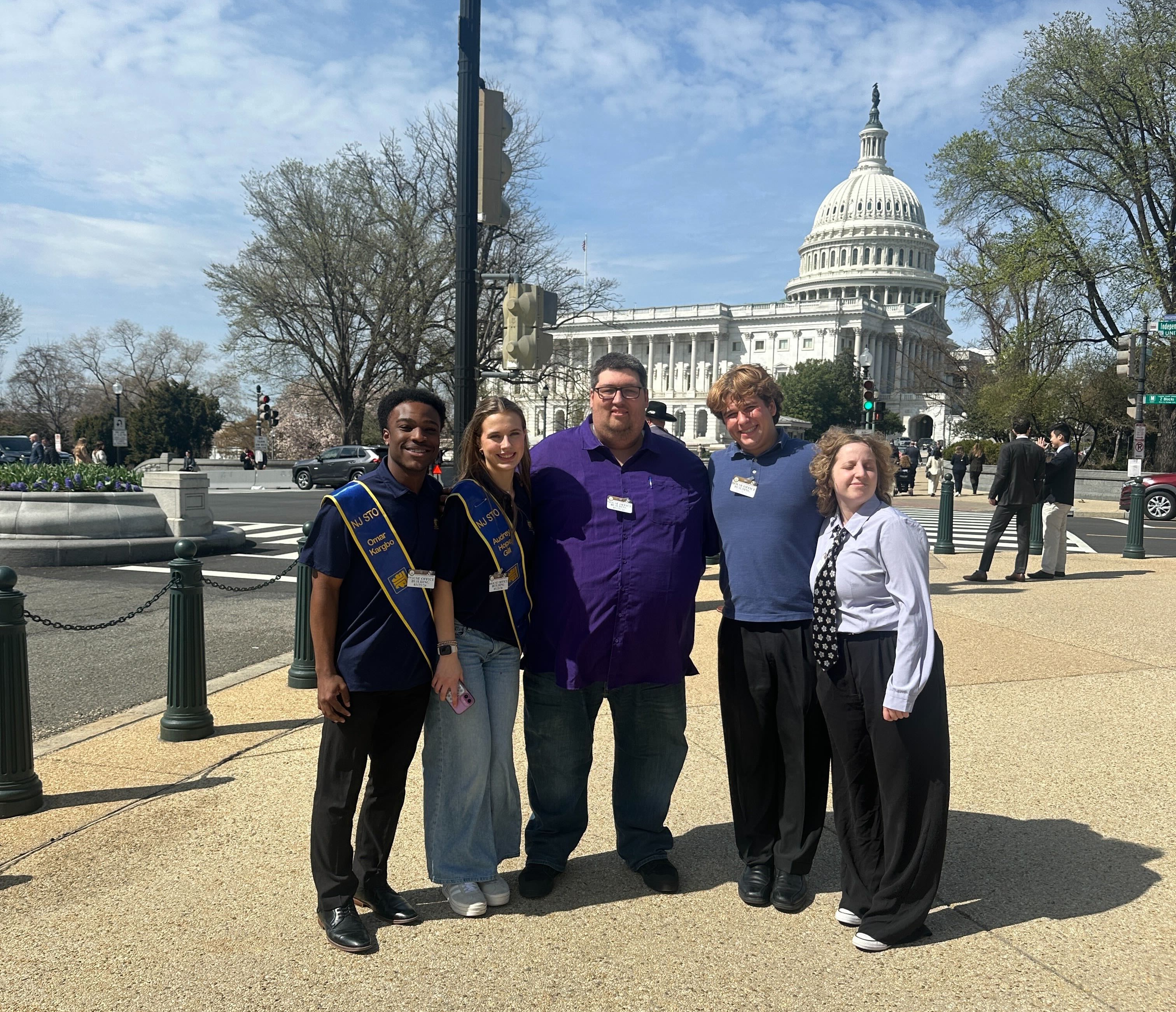
The students mentioned were high schoolers who joined the trip to share their own personal experiences with the arts. Alessandra O’Donnell, a high school junior and member of Arts Ed NJ's 3rd cohort of the Youth Arts Ed Council, called the experience an adventure. She says, “I would encourage others to participate in Arts Advocacy Day moving forward! I would explain the rewarding feeling of having an official's full attention, even if just for five minutes. I hope for people to see the opportunity they have when using their voice. I was able to talk to elected officials about what art means to me and how it has impacted my life, in addition to what threatens the arts and why that loss could harm students.”
 O’Donnell highlights an important element of the argument that art belongs in youth education. Low-income students who are highly engaged in the arts are more than twice as likely to graduate from college as their peers with no arts education. They are also more likely to vote or participate in political campaigns, with other data showing that students who take four years of arts and music classes average 100 points higher on the SAT than those with half a year or less. For these reasons and more, ArtPride New Jersey approached our representatives with the request to further assist arts education.
Thomas Loughman, President and CEO of the Morris Museum, a more experienced visitor of the Hill, was impressed with the students who came to advocate as well. “Those kids gave really wonderful testimonials of the role that arts education in the schools had in setting their life on a different track. That came up in our meeting with Senator Booker’s team. The kids were fantastic.”
He adds that “one of the great things, for me, on this trip was being able to meet colleagues from across the arts ecosystem of NJ, which is a really vibrant, vital community. It’s also varied, in scale and discipline. Funding for the arts agencies is a cornerstone or foundational piece of that healthy ecosystem. Our institution [Morris Museum] doesn’t receive any direct funding from the three bigs, but that’s okay, other people are direct recipients, and we all have this idea in common that we must show up and advocate for the community.”
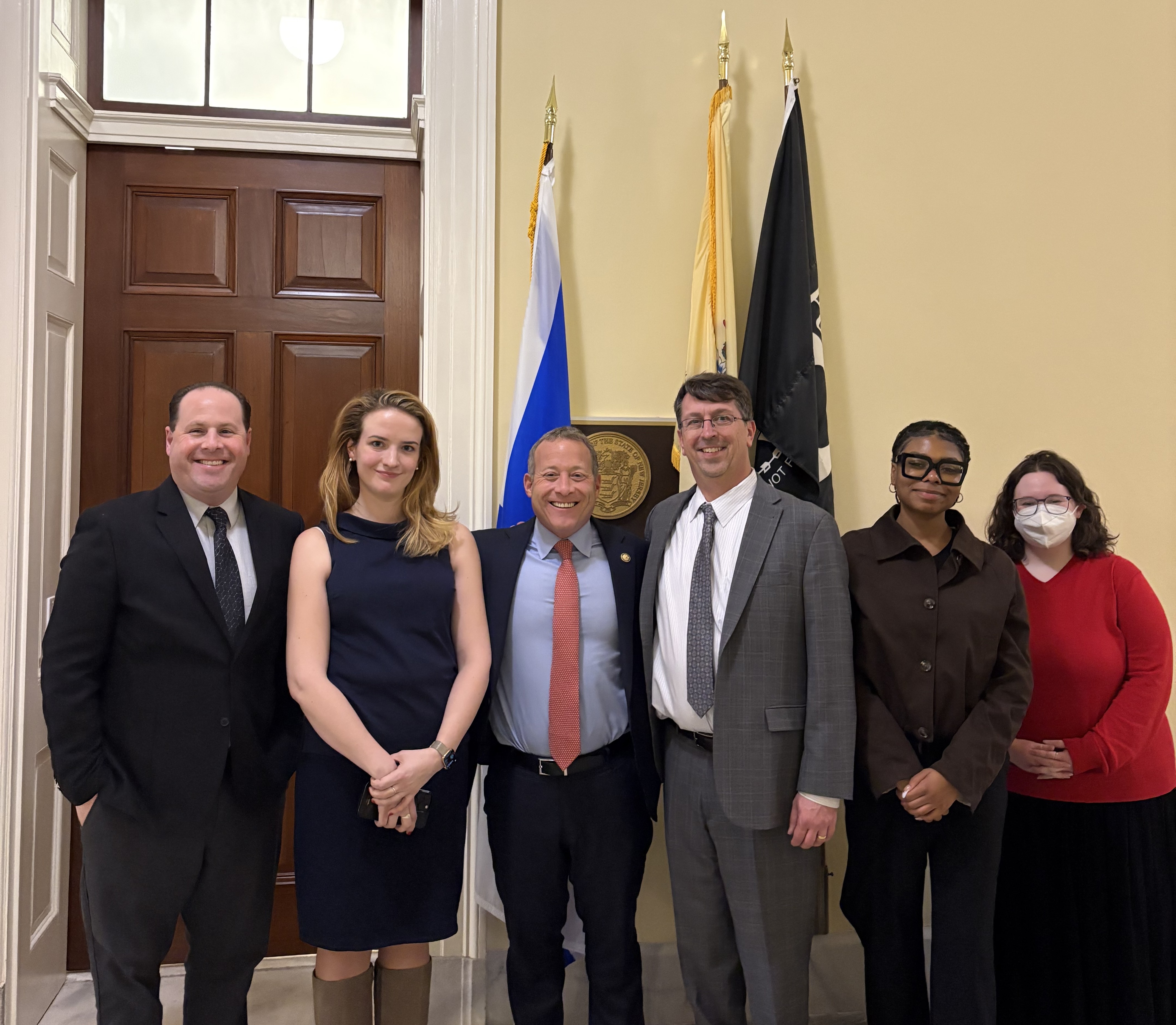 Mark Morgan, the Founding Producing Artistic Director of the Moorestown Theater Company, is another frequent visitor to the Hill who echoes Loughman’s sentiment. He acknowledges that the experience is rewarding, and while he respects and appreciates the staffers with whom he was able to speak, he holds on to aspirations of speaking with Senators Kim and Booker directly. He envisions a day when at least one Senator can participate in a luncheon hosted for the advocates, even if they can only spare a few minutes. Aspirations like this are how progress is achieved. If you can dream it, you can achieve it.
Advocacy does not begin and end with Arts Advocacy Day. It is a year-round commitment, and it is never too late to make your voice heard. You too can become an Arts Champion, and perhaps we will be speaking to you about your trip to D.C. next year!